


Policy Studies Institute (PSI) is a policy think tank engaged in:
- Economic, social and governance research and policy analysis
- Bridging research and policy
- Capacity building
- Knowledge dissemination and exchange and
- Consultancy
Goals and Objectives
The goals and objectives of PSI are to:
- Conduct high quality and objective economic, social and governance research and policy analysis
- Disseminate research outputs and results
- Build professional competence and capacity of Ethiopian research and beneficiary institutions in economic, social and governance policy analysis and research
- Respond to research and policy needs of the government and the economy from short to medium and long-term perspectives
- Serve as an effective platform for knowledge dissemination, exchange and dialogue
Our Principles
In seeking to achieve its objectives and goals, PSI is guided by the following principles:
- To the extent possible, research engagement is need-based and responsive
- It aims to undertake research in a scientific mindset,
- PSI carries out its activities in partnership with diverse national and international partners and stakeholders to ensure quality and relevance and strengthens national capacity
- PSI and its partners strive to work in close collaboration with stakeholders at national and regional levels in identifying research areas and policy issues as well as disseminating outputs of the studies
Education and Skill Development:
Prioritize education and skill development programs to create a highly skilled workforce.
Collaborate with industries to tailor educational programs to meet the demands of the job market.
Embrace lifelong learning initiatives to adapt to a rapidly changing economic landscape.
Entrepreneurship and Small Business Support:
Foster a culture of entrepreneurship by providing support for small businesses and startups.
Create incubators and accelerators to nurture new businesses.
Streamline regulations to make it easier for small businesses to thrive.

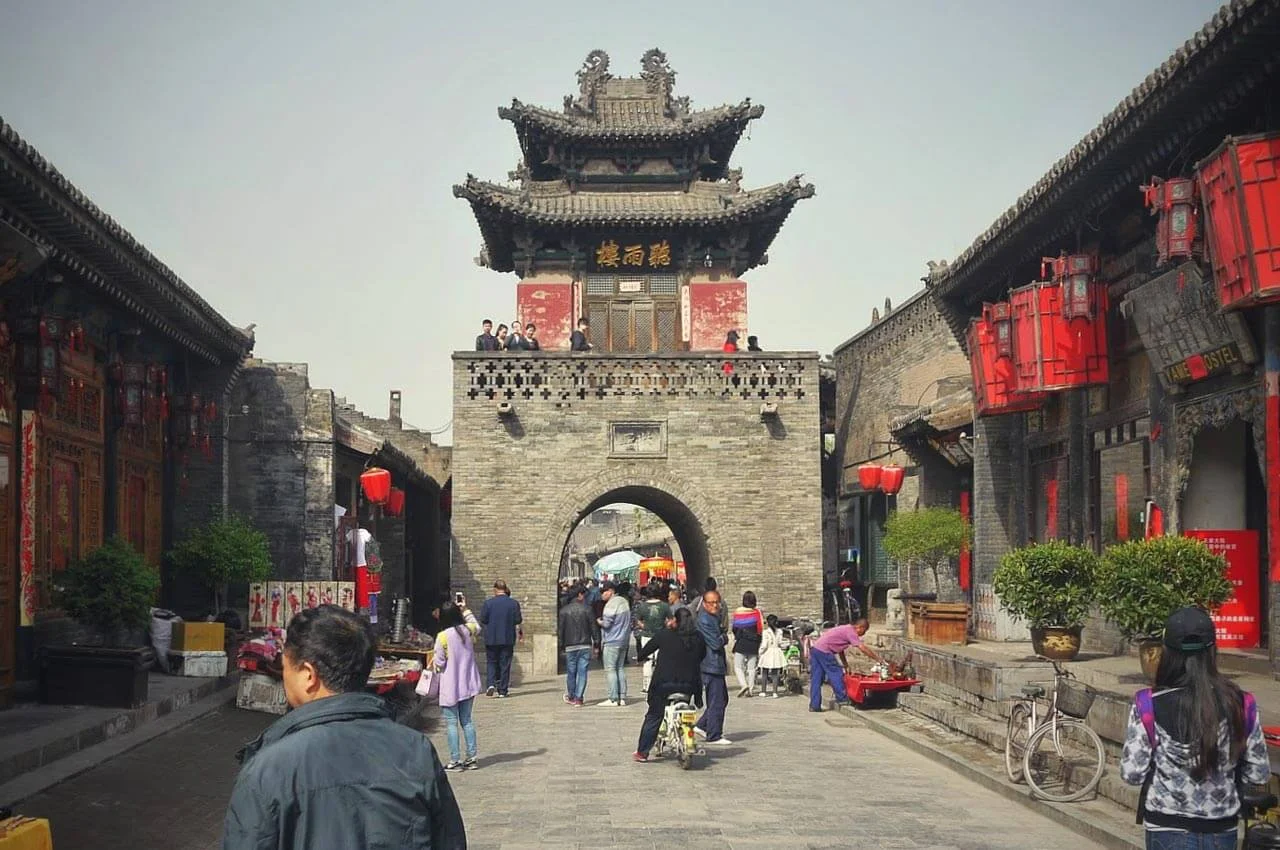




Infrastructure Development:
Invest in modern and efficient infrastructure to support economic growth.
Focus on transportation, digital connectivity, and sustainable urban planning.
Implement smart city initiatives to enhance overall quality of life.
Diversification of Industries:
Encourage diversification of industries to reduce dependency on specific sectors.
Attract a range of businesses, from tech companies to manufacturing, to create a resilient economy.
Support the growth of service-oriented industries such as healthcare, finance, and tourism.
Global Trade and Collaboration:
Foster international trade partnerships to expand market access.
Negotiate and strengthen trade agreements to benefit the local economy.
Encourage foreign direct investment (FDI) while protecting national interests.
Inclusive Economic Policies:
Develop policies that address income inequality and promote social inclusivity.
Implement fair labor practices and regulations to ensure worker rights.
Provide social safety nets to support vulnerable populations.
Health and Well-being Initiatives:
Prioritize public health to create a healthy and productive workforce.
Invest in healthcare infrastructure and preventive measures.
Promote mental health and well-being in the workplace.
Digital Transformation:
Embrace digital transformation across industries.
Develop a digital infrastructure to support e-commerce, online services, and remote work.
Invest in cybersecurity measures to protect digital assets.
These approaches aim to create a dynamic and resilient Western economy by leveraging technology, sustainability, education, and a diverse economic base. Implementing a combination of these strategies with careful planning and collaboration can contribute to long-term economic success.